25 Essential Things to Know Before Visiting Thailand in 2025
Planning your first trip to Thailand? Discover the essential things to know before visiting Thailand, from cultural etiquette and practical tips to money matters and safety advice. Everything first time visitors need for an amazing Thai adventure.
Thailand welcomes millions of visitors each year, drawn by its stunning beaches, ancient temples, vibrant cities, and legendary hospitality. Yet beneath the surface of this popular tourist destination lies a rich and complex culture that rewards those who take time to understand it. Knowing the essential things to know before visiting Thailand transforms a good trip into an extraordinary one.
This guide covers everything from cultural etiquette that will earn you respect from locals to practical matters that will save you money and hassle. Whether you are planning a quick beach holiday or an extended exploration of this fascinating country, these insights will help you navigate Thailand with confidence and appreciation.
Cultural Etiquette That Truly Matters
Understanding Thai cultural norms stands among the most important things to know when visiting Thailand. The Thai people are remarkably forgiving of cultural mistakes by foreigners, but making an effort to respect local customs opens doors and creates warmer interactions throughout your journey.
The concept of face, known as saving face, permeates Thai social interaction. Thais avoid public confrontation, raised voices, and anything that might embarrass another person. Even when frustrated, maintaining a calm demeanor and gentle tone produces far better results than aggressive behavior. Losing your temper in Thailand marks you as uncivilized and makes others less inclined to help you.
Physical hierarchy carries deep significance in Thai culture. The head is considered the most sacred part of the body, while the feet are the lowest. Never touch anyone on the head, even children, as this crosses an important cultural boundary. Similarly, avoid pointing your feet at people, Buddha images, or anything sacred. When sitting in temples, tuck your feet beneath you so they point away from religious imagery.
The Thai royal family commands profound respect throughout the country. Speaking negatively about the monarchy constitutes a serious crime under Thai law, with harsh penalties for violations. This applies equally to Thais and foreigners. Avoid any comments, jokes, or social media posts that could be construed as disrespectful toward the royal family.
Temple Etiquette Every Visitor Must Know
Thailand's magnificent temples rank among its greatest treasures, and visiting them respectfully ensures positive experiences for everyone. Dress codes require covered shoulders and knees at all temples. Many popular temples offer wraps or cover ups for underdressed visitors, but bringing appropriate clothing shows respect and avoids awkward situations.
Remove your shoes before entering any temple building. This practice extends beyond temples to many Thai homes and some businesses. Watch for piles of shoes at doorways as your signal to remove yours. Wearing shoes that slip on and off easily makes this constant removal more convenient.
Women must never touch Buddhist monks or hand objects directly to them. If you need to give something to a monk, place it on a nearby surface or hand it to a man who can pass it along. Monks follow strict rules about physical contact with women, and respecting this boundary shows cultural awareness.
When sitting in temple buildings, avoid pointing your feet toward Buddha images or sitting in positions that elevate your feet above your head. Kneeling or sitting with legs tucked to the side represents the appropriate posture. Observe how Thai visitors position themselves and follow their example.
Money Matters and Financial Practicalities
Understanding Thai currency and financial norms ranks high among things to know before visiting Thailand. The Thai Baht comes in denominations that can initially confuse visitors. Coins come in 1, 2, 5, and 10 Baht values, while paper currency includes 20, 50, 100, 500, and 1000 Baht notes.
Cash remains king throughout much of Thailand, especially in markets, small restaurants, and rural areas. While major establishments accept credit cards, carrying sufficient cash prevents inconvenient situations. ATMs are plentiful in cities and tourist areas, though they charge fees of around 220 Baht per withdrawal for foreign cards.
Currency images on Thai Baht feature the royal family, which connects to the earlier point about respecting the monarchy. Never step on Thai currency if you drop it, as this would mean stepping on an image of the King. Similarly, treat paper currency with respect rather than crumpling or defacing it.
Tipping culture in Thailand differs from Western norms. While tipping is not mandatory, small tips for good service are appreciated. Rounding up restaurant bills or leaving 20 to 50 Baht for good service is common practice. Hotel porters typically receive 20 to 50 Baht per bag, and massage therapists usually receive a tip of 50 to 100 Baht.
Transportation Tips and Tricks
Getting around Thailand offers various options, and understanding them helps you travel more efficiently and affordably. Taxis in Bangkok should always use the meter, which you can request by saying "meter, please" as you enter. If a driver refuses to use the meter, simply exit and find another taxi. Metered fares from central Bangkok to the airport typically run 250 to 400 Baht depending on traffic and tolls.
Tuk tuks, the iconic three wheeled vehicles, operate differently from taxis. They do not have meters, so you must negotiate the price before departing. As a general rule, tuk tuks cost more than metered taxis for the same distance. They provide an experience rather than practical transportation, and a short ride for 100 to 150 Baht gives you the tuk tuk experience without overpaying.
Motorcycle taxis, identified by drivers wearing orange vests, offer quick transportation through congested areas. Negotiate the fare before climbing on, and expect to pay 20 to 60 Baht for short trips. These are not for the faint hearted, but they represent the fastest way through Bangkok traffic.
Ride sharing apps work throughout Thailand, with Grab being the dominant platform. The app shows prices upfront, eliminating negotiation and providing reliable transportation at fair prices. Download Grab before your trip and set up payment methods for seamless travel.
Food Safety and Culinary Adventures
Thai cuisine ranks among the world's best, and eating adventurously is one of the great pleasures of visiting Thailand. However, several things to know when visiting Thailand relate to food safety and dining customs.
Street food in Thailand is generally safe and represents some of the best eating in the country. Look for stalls with high turnover, as fresh ingredients and constant cooking reduce food safety risks. Stalls crowded with locals indicate both quality and safety. Avoid establishments where food sits uncovered or appears to have been sitting for extended periods.
Spice levels in authentic Thai food can challenge unaccustomed palates. The phrase "mai phet" means "not spicy" and can save you from an uncomfortably fiery meal. Alternatively, "phet nit noi" means "a little spicy" for those who want flavor without fire. Servers at tourist oriented restaurants usually ask about spice preferences, but requesting mild preparation ensures comfort.
Ice in drinks causes concern for some visitors, but commercially produced ice in tubular or crescent shapes is safe throughout Thailand. This ice is made from purified water and poses no health risk. Crushed ice from unknown sources might warrant more caution, particularly in very rural areas.
Drinking tap water is not recommended in Thailand. Bottled water costs very little and is available everywhere. Hotels provide complimentary bottled water, and restaurants serve bottled water with meals. Staying hydrated in Thailand's heat requires constant water consumption, so carry a bottle with you.
Weather and When to Visit
Thailand's climate varies by region and season, making timing an important consideration for your visit. The country experiences three general seasons: hot, rainy, and cool. Understanding these patterns helps you plan activities and pack appropriately.
The cool season from November through February offers the most comfortable weather for sightseeing and outdoor activities. Temperatures remain warm by Western standards but significantly cooler than other times of year. This peak tourist season brings higher prices and larger crowds to popular destinations.
The hot season from March through May brings intense heat, particularly in April when temperatures regularly exceed 35 degrees Celsius. Beach destinations remain pleasant with ocean breezes, but inland cities can be uncomfortable for extensive outdoor exploration. This season offers lower prices and fewer tourists for those who can handle the heat.
The rainy season from June through October brings afternoon thunderstorms that typically last an hour or two before clearing. Mornings often remain dry and pleasant, making rainy season travel entirely feasible for flexible visitors. Prices drop significantly, and the countryside turns lush and green. Northern Thailand during this season offers particularly beautiful landscapes.
Health and Safety Considerations
Staying healthy and safe enhances any trip, and several precautions specific to Thailand merit attention. Mosquito protection matters throughout the country, with repellent and appropriate clothing reducing exposure. Dengue fever, transmitted by daytime biting mosquitoes, occurs throughout Thailand. There is no vaccine for dengue, making prevention through bite avoidance essential.
Travel insurance stands among the most important things to know before visiting Thailand. Medical care in Thailand is excellent but can be expensive, particularly at private international hospitals. Comprehensive travel insurance that includes medical evacuation provides essential protection. Our guide to travel insurance options for Thailand covers this topic in detail.
Traffic represents the greatest safety risk for tourists in Thailand. Roads can be chaotic, and traffic rules are often treated as suggestions. Exercise extreme caution when crossing streets, and never assume vehicles will stop. If you rent a motorbike, wear a helmet and understand that you are accepting significant risk.
Scams targeting tourists exist in all major tourist destinations. Common schemes include gem scams, tour operator fraud, and tuk tuk drivers steering visitors to commission paying shops. Research common scams before your trip, and remember that if an offer sounds too good to be true, it probably is.
Communication and Language
Thai language uses a script and tonal system that most visitors find impenetrable, but a few key phrases go a long way toward building goodwill. Thais appreciate any attempt to speak their language, even if pronunciation is imperfect.
The greeting "sawadee" followed by "khrap" for men or "ka" for women serves all greeting purposes. Use it when entering shops, meeting people, or thanking someone for service. The particles "khrap" and "ka" soften statements and show politeness, appearing at the end of sentences in polite speech.
"Khob khun khrap/ka" means thank you and should be used liberally. Thai culture values expressions of gratitude, and thanking people for even small services earns warm responses. A smile accompanying your thanks amplifies the positive effect.
English proficiency varies widely in Thailand. Tourist areas, international hotels, and educated urban Thais often speak excellent English. Rural areas and local markets may offer little English capability. Translation apps help bridge communication gaps, and pointing and gestures work remarkably well for basic transactions.
Accommodation Insights
Lodging options in Thailand range from basic guesthouses to world class luxury resorts, with something for every budget. Understanding the landscape helps you choose appropriate accommodation for your needs and expectations.
Budget guesthouses and hostels offer clean, basic accommodation starting around 300 to 500 Baht per night. Air conditioning typically costs extra in this price range, with fan rooms being the budget option. These establishments provide excellent value for travelers prioritizing experiences over accommodation luxury.
Mid range hotels between 1,000 and 3,000 Baht per night offer comfortable rooms with reliable amenities including air conditioning, hot water, and often pools and fitness facilities. This price range represents excellent value by international standards, delivering quality that would cost significantly more in Western countries.
Luxury properties in Thailand offer exceptional experiences at prices that remain competitive with global destinations. Five star beach resorts, boutique urban hotels, and wellness retreats provide world class service and facilities. Booking directly with properties or through reputable platforms often yields better rates than walk in pricing.
Practical Packing Suggestions
Packing appropriately for Thailand requires balancing the hot climate with cultural modesty requirements. Light, breathable clothing in natural fabrics keeps you comfortable in the heat. Include at least one outfit with covered shoulders and knees for temple visits.
Comfortable walking shoes matter more than style for exploring Thai cities and temples. Slip on footwear makes constant shoe removal for temple visits more convenient. Avoid heavy hiking boots unless you specifically plan trekking activities.
Sunscreen and insect repellent are available throughout Thailand but often cost more than at home. Bringing your preferred products ensures you have protection from day one. High SPF sunscreen is particularly important, as the tropical sun burns quickly.
A small daypack carries essentials during sightseeing: water bottle, sunscreen, camera, and a light scarf or cover up for unexpected temple visits. Leave valuable items secured at your hotel rather than carrying them through markets and crowded areas.
Technology and Connectivity
Staying connected in Thailand is easy and affordable, making it simple to navigate, translate, and share your experiences. Understanding your options helps you stay connected without overpaying.
Thai SIM cards offer excellent value for visitors staying more than a few days. Major carriers including AIS, True, and DTAC sell tourist SIM packages at airports and convenience stores throughout the country. For around 300 to 500 Baht, you receive generous data allowances and local calling capability for a week or more.
Free WiFi is available at most hotels, cafes, and restaurants throughout tourist areas. Quality varies, but you can generally count on connectivity at your accommodation and popular establishments. Shopping malls typically offer free WiFi as well.
Download useful apps before arrival: Grab for transportation, Google Maps for navigation, Google Translate for language assistance, and currency conversion apps for quick price calculations. Having these tools ready on arrival saves time and frustration.
Longer Stay Considerations
For those considering extended visits or eventual relocation to Thailand, understanding visa options becomes essential. Tourist entries allow stays of 30 to 60 days depending on your nationality and entry method. Extensions are possible through immigration offices for additional fees.
The DTV visa has transformed options for those wanting to stay longer while working remotely. This visa category allows stays of up to 180 days with work authorization for remote employment. You can check your DTV eligibility to see if this option suits your situation.
Opening a Thai bank account, securing longer term accommodation, and establishing local connections become relevant for extended stays. These practical matters require more planning than a short holiday but enable deeper integration into Thai life.
Embracing the Thai Experience
Beyond practical considerations, approaching Thailand with the right mindset enhances every aspect of your visit. The famous Thai smile reflects a genuine cultural warmth that responds to positive energy from visitors.
Flexibility and patience serve travelers well in Thailand. Plans change, schedules slip, and unexpected situations arise. Embracing the Thai philosophy of "mai pen rai," roughly meaning "no worries" or "it does not matter," helps you flow with circumstances rather than fighting against them.
Slow down and savor experiences rather than rushing through a checklist of attractions. Some of the best moments in Thailand come from unplanned encounters: a conversation with a friendly local, discovering a hidden temple, or stumbling upon a neighborhood food market.
Conclusion
Understanding these essential things to know before visiting Thailand prepares you for an incredible journey through one of the world's most captivating countries. From the glittering temples of Bangkok to the pristine beaches of the south and the misty mountains of the north, Thailand offers experiences that linger in memory long after you return home.
Respect for Thai culture, practical preparation, and an open heart create the foundation for meaningful travel experiences. The things to know when visiting Thailand extend far beyond what any guide can capture, but this foundation equips you to learn the rest through your own adventures in the Land of Smiles.
Your Thai journey awaits. Approach it with respect, curiosity, and enthusiasm, and Thailand will reward you with experiences that exceed your expectations.
Travel conditions and requirements can change. Verify current visa requirements and travel advisories before your trip.
Questions About YourThailand Visa?
Our team can help answer your questions about DTV visas, tourist visas, extensions, and all aspects of staying in Thailand legally. Get personalized guidance for your unique situation.
Disclaimer: We provide general information and guidance only. We are not licensed immigration attorneys or legal advisors. Our services do not constitute legal advice. For complex legal matters, we recommend consulting with a qualified immigration lawyer. Visa approval is solely at the discretion of Thai authorities. See our Terms of Service.
Have a Quick Question?
Whether you're wondering about visa requirements, document preparation, or the application process, feel free to reach out. Email us at support@dtvvisathai.com and we'll do our best to point you in the right direction.
Travel Insurance Tip
Thai hospitals are excellent but expensive for foreigners without insurance. Many travelers use SafetyWing (from ~$42/month) as it can be purchased while already abroad.Affiliate link - we may earn a commission at no extra cost to you.
Continue Reading
Explore more helpful articles about Thailand DTV visa
Thailand Dual Citizenship: Can Americans Hold Both Passports? The Complete Truth for 2025
Wondering if Thailand allows dual citizenship for Americans? This comprehensive guide explains Thailand's citizenship laws, the reality of dual nationality, and the best legal pathways for US citizens who want to establish long term ties to the Land of Smiles.
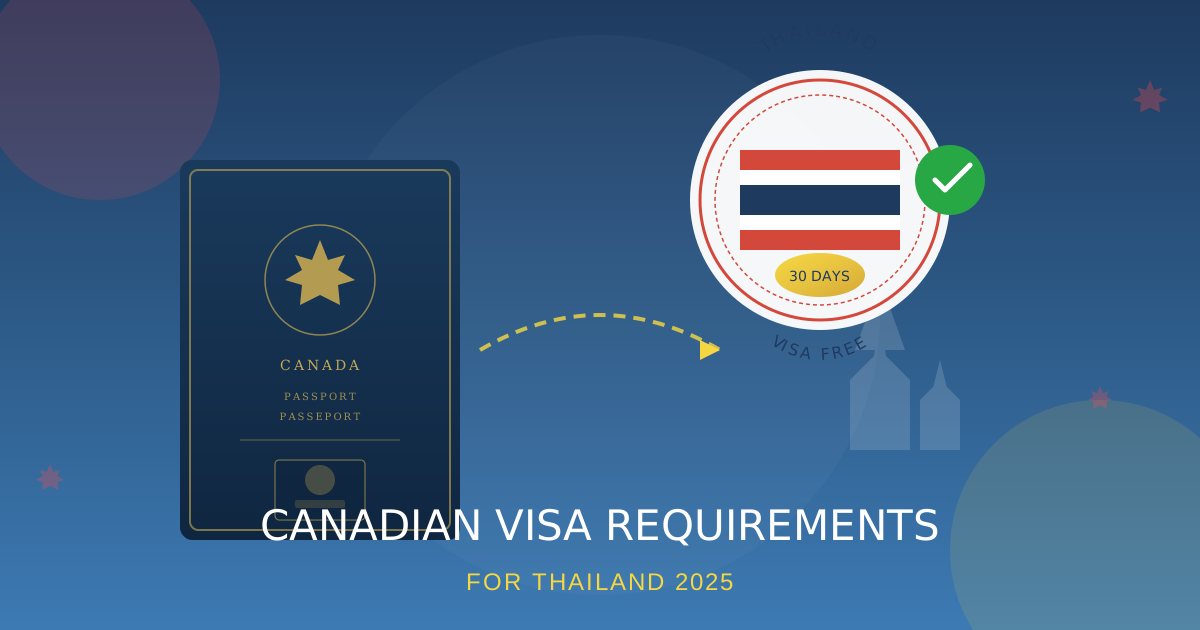
Do Canadians Need a Visa for Thailand? Everything You Need to Know in 2025
Find out whether Canadian citizens need a visa for Thailand in 2025. Complete guide covering visa exemptions, tourist visas, longer stay options, and practical tips for Canadian travelers heading to the Land of Smiles.
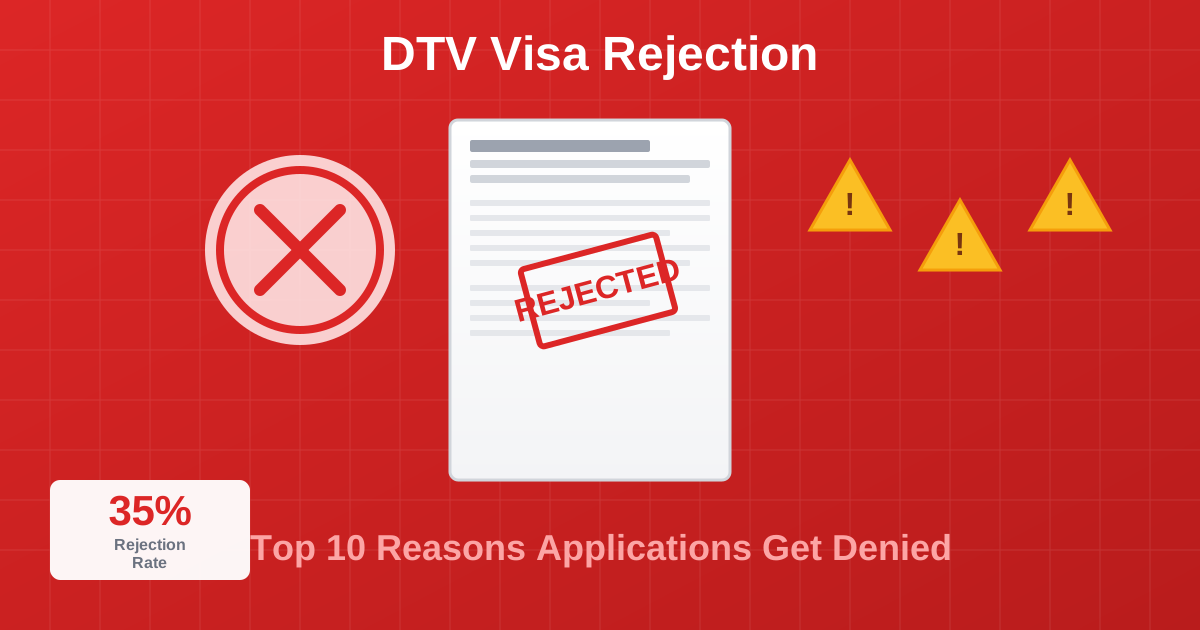
Thailand DTV Visa Rejection: Top 10 Reasons Applications Get Denied in 2025
Learn the most common reasons why DTV visa applications get rejected at Thai embassies and discover proven strategies to avoid these mistakes. Complete guide with real rejection cases and solutions.