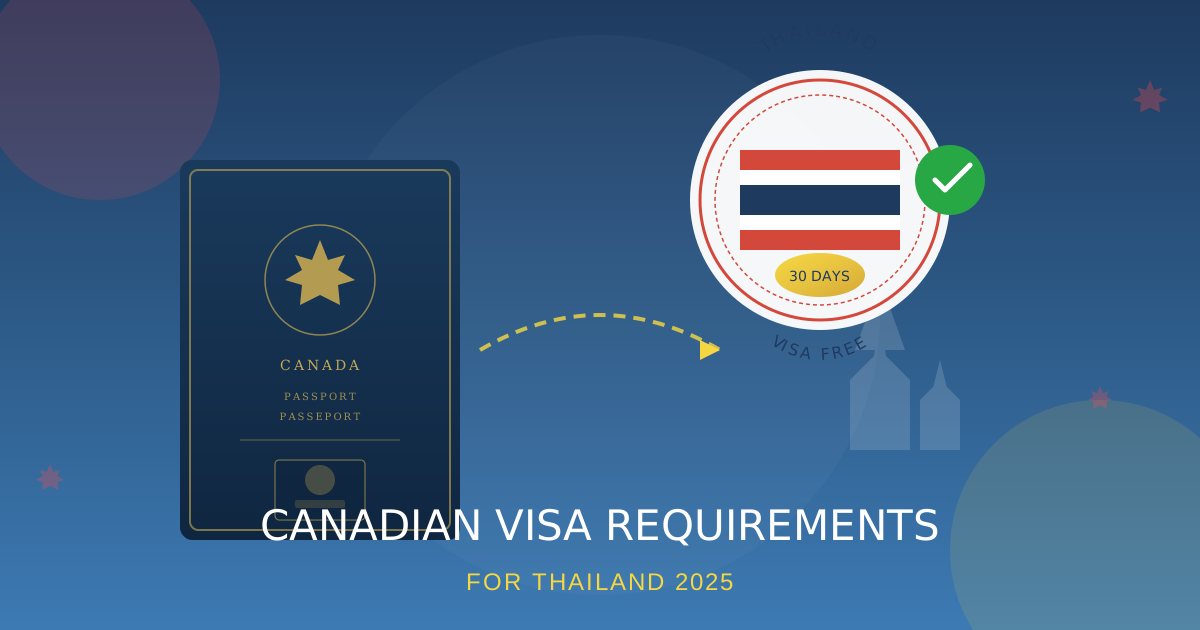
Do Canadians Need a Visa for Thailand? Everything You Need to Know in 2025
Find out whether Canadian citizens need a visa for Thailand in 2025. Complete guide covering visa exemptions, tourist visas, longer stay options, and practical tips for Canadian travelers heading to the Land of Smiles.
Planning a trip to Thailand from Canada? One of the first questions that comes to mind is whether you'll need a visa to enter this beautiful Southeast Asian country. The good news for Canadian passport holders is that Thailand has made it remarkably easy for you to visit, and in most cases, you won't need to arrange anything before your departure.
Thailand has long been a favorite destination for Canadian travelers, whether they're seeking tropical beaches, ancient temples, bustling city life, or simply a break from the harsh Canadian winters. The Thai government recognizes the strong tourism ties between the two countries and has established generous entry policies that make travel straightforward for Canadians.
The Short Answer: Canadians Enjoy Visa Exemption
Canadian citizens do not need a visa to visit Thailand for tourism purposes. Thanks to the bilateral agreement between Canada and Thailand, holders of Canadian passports can enter Thailand without obtaining a visa in advance. This policy has been in place for years and continues to benefit thousands of Canadian travelers annually.
When you arrive at any Thai airport or land border crossing, immigration officers will stamp your passport and grant you permission to stay in the country. The process is quick and simple, typically taking just a few minutes at the immigration counter. You won't need to fill out lengthy visa applications, provide financial proof at the airport, or pay any visa fees upon arrival.
How Long Can Canadians Stay in Thailand Without a Visa?
Under the current visa exemption scheme, Canadian citizens receive a 30 day permit to stay upon arrival. This applies to entries by both air and land, though it's worth noting that land border entries have some additional restrictions that we'll cover later.
The 30 day period begins from the day you enter Thailand, not from when you book your flight or when your trip was planned. So if you arrive on January 15th, your permitted stay would extend until February 14th. Immigration officers will clearly stamp the expiration date in your passport, making it easy to keep track of when you need to depart.
For many Canadian tourists, 30 days provides more than enough time to explore Thailand's highlights. You could spend a week in Bangkok discovering the Grand Palace, floating markets, and world class street food. Then head north to Chiang Mai for temple hopping and mountain trekking. Finish your trip on the stunning beaches of Phuket or Krabi before flying home. Even with this packed itinerary, you'd likely have days to spare.
What If You Want to Stay Longer Than 30 Days?
Many Canadians fall in love with Thailand and wish they could stay longer than the initial 30 days. Fortunately, there are several legitimate ways to extend your time in the country.
The most straightforward option is visiting a Thai immigration office and applying for an extension of stay. For an additional fee of 1,900 Thai Baht (approximately $70 CAD), you can add 30 more days to your permitted stay. This gives you a total of 60 days from your original entry date. The process involves filling out a simple form, providing a passport photo, and waiting at the immigration office while your extension is processed. Most offices complete extensions within a few hours.
Immigration offices are located throughout Thailand, with major cities like Bangkok, Chiang Mai, Phuket, and Pattaya all having convenient locations. The offices can get busy, especially during peak tourist seasons, so arriving early in the morning is advisable. Bring your passport, one recent photo, copies of your passport pages showing your photo and current entry stamp, and the extension fee in cash.
The Tourist Visa Option for Extended Stays
If you know before leaving Canada that you want to spend more than 30 days in Thailand, consider applying for a Tourist Visa at the Royal Thai Embassy in Ottawa or the Consulate in Vancouver. This visa grants you 60 days from arrival, and you can still apply for the 30 day extension at a Thai immigration office, giving you up to 90 consecutive days in the country.
The Tourist Visa requires a bit more preparation compared to simply showing up and using the visa exemption. You'll need to submit your passport, completed application forms, photos, proof of onward travel, and evidence of sufficient funds. The processing typically takes a few business days, and there's a visa fee involved.
Many Canadians find this option worthwhile when planning longer trips, especially during the popular winter months when escaping Canadian cold for three months of Thai sunshine sounds incredibly appealing.
Special Considerations for Land Border Crossings
While the visa exemption applies at both airports and land borders, there's an important distinction to be aware of. Thai immigration has implemented restrictions on the number of times you can enter the country visa free through land crossings. Currently, you're limited to two visa exempt land entries per calendar year.
This policy was introduced to discourage people from making repeated "visa runs" across land borders to reset their stay. If you're a Canadian who plans to travel overland between Thailand and neighboring countries like Cambodia, Laos, or Malaysia, keep track of how many times you've entered by land. Air entries don't count toward this limit, so you can fly in and out as many times as needed without concern.
Entry Requirements Beyond the Visa Question
Even though Canadians don't need a visa, there are still several entry requirements to be aware of. Your Canadian passport must have at least six months of validity remaining from your date of entry. This is a strict requirement, and airlines may refuse to board you if your passport doesn't meet this threshold. Before booking any flights, check your passport's expiration date and renew if necessary.
You should also be prepared to show proof of onward travel. While immigration officers don't always ask for this, they have the authority to request evidence that you intend to leave Thailand within your permitted stay. Having a return flight to Canada or an onward ticket to another country will satisfy this requirement.
Thailand has also implemented a digital arrival card system, replacing the old paper TM.6 forms that travelers used to fill out on the plane. Most visitors now complete their arrival information electronically before traveling or at automated kiosks in Thai airports. This modern system speeds up the immigration process significantly.
Financial Requirements for Canadian Visitors
On paper, Thailand requires visitors to have 20,000 Thai Baht (roughly $750 CAD) per person or 40,000 Thai Baht per family as proof of sufficient funds. In practice, immigration officers rarely ask to see proof of funds from Canadian passport holders, particularly those entering through airports and appearing to be genuine tourists.
However, having access to funds through credit cards, debit cards, or cash is obviously essential for your trip regardless of any official requirements. Thailand is becoming increasingly digital, with many places accepting card payments, though carrying some cash remains useful for smaller establishments and street vendors.
Planning a Longer Stay: The DTV Visa Revolution
For Canadians who dream of spending extended periods in Thailand, perhaps working remotely while enjoying the Thai lifestyle, there's now an exciting option that goes far beyond traditional tourist visas. The Destination Thailand Visa, commonly called the DTV visa, represents a game changer for digital nomads, remote workers, and anyone seeking a longer term Thai experience.
This relatively new visa category allows stays of up to 180 days per entry, with the visa itself remaining valid for five years. Canadian digital workers, freelancers, and remote employees are particularly well positioned to qualify for this visa, as Canada's strong tech sector and remote work culture align perfectly with the DTV requirements.
You can check your eligibility and learn more about the application process through our DTV visa eligibility checker, which has helped thousands of Canadians determine whether this visa option suits their situation.
The Best Time for Canadians to Visit Thailand
Understanding Thai seasons helps Canadians plan the perfect trip. Thailand's cool and dry season runs from November through February, coinciding with the harshest months of Canadian winter. This timing is no accident for the thousands of Canadians who flock to Thailand during this period, seeking relief from snow and frigid temperatures.
The cool season offers pleasant weather throughout Thailand, with comfortable temperatures and minimal rainfall. Northern regions like Chiang Mai become particularly appealing, with temperatures dropping to sweater weather in the evenings. Beach destinations remain warm and sunny, perfect for swimming and water activities.
March through May brings Thailand's hot season, with temperatures regularly exceeding 35°C. While some Canadians accustomed to cold climates find this period too intense, others embrace the heat. Air conditioning is ubiquitous in hotels, malls, and restaurants, making it entirely possible to enjoy Thailand during these months.
The rainy season from June through October might seem unappealing, but it offers advantages for Canadian visitors. Prices drop significantly, crowds thin out, and the rain typically comes in short afternoon bursts rather than all day downpours. The countryside turns lush and green, creating beautiful landscapes for photography.
Health and Travel Insurance Considerations
While not strictly a visa requirement, travel insurance is essential for any Canadian visiting Thailand. The Canadian healthcare system provides excellent coverage at home, but once you leave the country, you're responsible for any medical expenses. Thailand has outstanding private hospitals with international accreditation, but costs can be substantial without insurance.
Many Canadians are surprised to learn that their provincial health coverage provides limited or no coverage abroad. Before traveling, purchase comprehensive travel insurance that covers medical emergencies, evacuation if necessary, and trip interruption or cancellation.
For detailed information about insurance requirements and recommendations, especially for longer stays, our guide to DTV visa health insurance requirements covers everything you need to know.
Practical Tips for Canadian Travelers
When booking flights from Canada to Thailand, you'll typically transit through major hubs like Hong Kong, Tokyo, Seoul, or Middle Eastern cities. Direct flights don't currently exist, so expect total travel times of 18 to 24 hours depending on your connection. Vancouver offers the shortest routing for most Canadians, being several hours closer to Asia than eastern Canadian cities.
Upon arrival at Bangkok's Suvarnabhumi Airport or any other Thai international airport, follow signs to immigration and join the line for foreign passport holders. Have your passport ready along with your flight details if asked for accommodation or departure information. The immigration process is generally smooth and efficient.
Currency exchange at Thai airports offers reasonable rates, though you might get slightly better rates at exchange booths in tourist areas. ATMs are everywhere in Thailand and accept Canadian debit cards, though expect fees from both the Thai bank and your Canadian bank. Many Canadians find that carrying a small amount of Thai Baht for initial expenses while using cards for larger purchases works well.
Making the Most of Your Thailand Trip
Thailand offers an incredible range of experiences for Canadian visitors. The country's infrastructure is well developed, with excellent transportation options connecting major destinations. Domestic flights are affordable and frequent, while overnight trains and buses provide budget friendly alternatives with a sense of adventure.
Thai culture emphasizes hospitality and respect, and visitors who demonstrate courtesy and open mindedness find Thais incredibly welcoming. Learning a few basic Thai phrases goes a long way in creating positive interactions, even though English is widely spoken in tourist areas.
The food alone justifies a trip to Thailand for many Canadians. From sophisticated restaurants to humble street stalls, Thai cuisine offers explosive flavors and fresh ingredients at remarkably low prices. Don't be afraid to try dishes from street vendors. Some of the best meals in Thailand come from simple carts where locals gather.
Conclusion: Your Thailand Adventure Awaits
So does a Canadian need a visa for Thailand? For most travelers, the answer is a clear no. The visa exemption scheme allows Canadians to enter Thailand hassle free for up to 30 days, with easy options to extend that stay. For those planning longer adventures, tourist visas and the innovative DTV visa provide pathways to extended Thai experiences.
Thailand's welcoming visa policies reflect its genuine desire to host international visitors and share its remarkable culture, cuisine, and natural beauty. As a Canadian, you're fortunate to have such straightforward access to one of Southeast Asia's most captivating countries.
Whether you're dreaming of temple exploring in the north, beach relaxing in the south, or immersing yourself in Bangkok's incredible urban energy, Thailand is ready to welcome you. Pack your passport, book your flight, and prepare for an unforgettable journey to the Land of Smiles.
Visa requirements can change. While this information is current as of 2025, always verify entry requirements with official Thai embassy or immigration sources before traveling.
Questions About YourThailand Visa?
Our team can help answer your questions about DTV visas, tourist visas, extensions, and all aspects of staying in Thailand legally. Get personalized guidance for your unique situation.
Disclaimer: We provide general information and guidance only. We are not licensed immigration attorneys or legal advisors. Our services do not constitute legal advice. For complex legal matters, we recommend consulting with a qualified immigration lawyer. Visa approval is solely at the discretion of Thai authorities. See our Terms of Service.
Have a Quick Question?
Whether you're wondering about visa requirements, document preparation, or the application process, feel free to reach out. Email us at support@dtvvisathai.com and we'll do our best to point you in the right direction.
Travel Insurance Tip
Thai hospitals are excellent but expensive for foreigners without insurance. Many travelers use SafetyWing (from ~$42/month) as it can be purchased while already abroad.Affiliate link - we may earn a commission at no extra cost to you.
Continue Reading
Explore more helpful articles about Thailand DTV visa
Complete Guide to Thailand DTV Visa 2025: Everything You Need to Know
Comprehensive guide to Thailand's DTV visa including eligibility requirements, application process, financial proof, and insider tips for a successful application in 2025.
Thailand Visa Run Crackdown 2025: What You Need to Know About the New Enforcement
Thailand's Immigration Bureau has tightened visa run regulations in November 2025, with strict enforcement targeting visa exemption abuse. Learn about the new two visa run limit, enhanced border screening, and what it means for tourists and expats.
Thailand DTV Visa Tax Implications 2025: What Digital Nomads Need to Know
Complete guide to understanding tax implications for DTV visa holders in Thailand. Learn about tax residency rules, double taxation treaties, and how to stay compliant while working remotely.