Health Insurance in Asia 2025: Complete Guide to Medical Coverage Across the Continent
Everything you need to know about health insurance in Asia for expats, digital nomads, and long term travelers. Compare Asia medical insurance options, understand regional healthcare systems, and find the right coverage for your Asian adventure.
Asia has become an increasingly popular destination for expats, digital nomads, retirees, and long term travelers seeking adventure, opportunity, and a different way of life. From the beaches of Thailand to the tech hubs of Singapore, from the ancient cultures of Japan to the emerging economies of Vietnam and Indonesia, the continent offers incredible diversity for those willing to explore.
However, navigating health insurance in Asia presents unique challenges that differ significantly from Western healthcare systems. Understanding your options for Asia medical insurance, the healthcare landscape across different countries, and how to secure appropriate coverage empowers you to live and travel in Asia with confidence and security.
Understanding Healthcare Across Asia
Asia encompasses enormous diversity in healthcare quality, accessibility, and cost. Any discussion of health insurance Asia requires acknowledging that generalizations across such a vast region have limited value. What works in Singapore differs dramatically from what applies in Cambodia or Nepal.
Southeast Asian countries popular with expats and nomads generally offer two tier healthcare systems. Private hospitals and clinics in major cities provide excellent care meeting international standards, while public systems serve local populations with varying quality levels. Countries like Thailand, Malaysia, and Singapore have developed medical tourism industries precisely because their private healthcare reaches world class standards.
East Asian nations including Japan, South Korea, and Taiwan maintain comprehensive public healthcare systems with high quality care available to residents who participate in national insurance schemes. Foreigners in these countries typically need private coverage or must navigate eligibility requirements for public systems.
South Asian healthcare varies significantly by country and location. India offers excellent private hospitals in major cities alongside struggling public facilities. Smaller nations have more limited healthcare infrastructure, and serious conditions may require evacuation to better equipped countries.
China presents unique considerations with its vast scale and rapidly developing healthcare sector. Major cities have international standard hospitals, but language barriers and system navigation challenges affect the experience for foreigners without local support.
Types of Asia Medical Insurance
Several categories of health insurance serve people living, working, and traveling in Asia. Understanding these options helps you identify the right approach for your situation.
International health insurance provides comprehensive coverage that works across multiple countries, sometimes globally. These plans suit people who move between Asian countries or split time between Asia and other regions. Premium international plans offer high coverage limits, extensive provider networks, and flexibility that simpler plans cannot match. However, this comprehensive coverage comes at higher cost than more basic options.
Regional health insurance focuses specifically on Asia, often at lower costs than global plans while still providing multi country coverage. These plans suit people who know they will remain in Asia without needing coverage elsewhere. Regional restrictions reduce premiums while still providing appropriate protection for the Asian healthcare environment.
Local health insurance purchased within specific Asian countries provides coverage for that country only. These plans often offer the best value for people committed to one country long term. Thailand, for example, has insurers offering policies specifically designed for expats and retirees meeting visa requirements. Local plans may have limitations on pre-existing conditions and age that international plans handle differently.
Travel medical insurance serves shorter term needs with temporary coverage during trips. These plans suit tourists and short term visitors rather than people establishing longer residence. Our guide to travel insurance for Thailand covers this category in detail for one popular destination.
Key Coverage Considerations for Asia
Selecting appropriate health insurance Asia requires evaluating several factors specific to the region and your circumstances. Prioritizing what matters most helps you compare options effectively.
Inpatient coverage pays for hospital stays, surgeries, and intensive treatment. This represents the core protection most people need from health insurance. Evaluate coverage limits carefully, as major medical events in Asian private hospitals can generate bills of tens of thousands of dollars. Coverage of at least 500,000 dollars for inpatient care provides reasonable protection, with higher limits offering more security for serious conditions.
Outpatient coverage handles doctor visits, consultations, diagnostics, and treatment not requiring hospitalization. Some plans include outpatient coverage, while others offer it as optional add on coverage. Frequent healthcare users benefit from outpatient coverage, while healthy individuals might save money by paying out of pocket for occasional minor care.
Emergency evacuation coverage transports you to appropriate medical facilities when local care is inadequate. This coverage proves particularly important in countries with limited healthcare infrastructure or when living outside major cities. Medical evacuations can cost 50,000 dollars or more, making this coverage essential protection.
Mental health coverage has historically been limited in many international health plans but is receiving increased attention. If mental health support matters to you, verify that prospective plans include adequate psychological and psychiatric coverage. Look for both inpatient and outpatient mental health benefits.
Maternity coverage comes as standard in some plans and optional or excluded in others. Waiting periods of 10 to 12 months typically apply before maternity benefits become available. Couples planning to have children in Asia should factor this into coverage decisions and timing.
Pre-existing condition handling varies significantly between insurers. Some plans exclude pre-existing conditions entirely, others apply waiting periods or surcharges, and premium plans may offer full coverage after underwriting review. Understanding how your health history affects coverage and cost helps avoid surprises.
Healthcare Costs Across Asian Countries
Understanding typical healthcare costs helps contextualize insurance needs and evaluate whether coverage levels are appropriate. While prices vary by provider, location, and specific treatment, general patterns provide useful guidance.
Thailand offers excellent value in private healthcare, with consultation fees typically running 500 to 1500 Thai Baht at quality hospitals, roughly 15 to 45 US dollars. Hospital stays cost a fraction of Western prices while maintaining high quality care. Even complex procedures cost significantly less than equivalent Western treatment.
Singapore has the most expensive healthcare in Southeast Asia, with costs approaching or exceeding Western levels at top private hospitals. Public healthcare is more affordable but involves longer waits and eligibility restrictions for foreigners. Comprehensive insurance is essential for Singapore residents without access to public subsidies.
Malaysia provides quality private healthcare at moderate costs, generally lower than Singapore but higher than Thailand. The country has positioned itself as a medical tourism destination with strong private hospital infrastructure in major cities.
Vietnam and Indonesia offer affordable healthcare in major cities but with more variable quality than the countries mentioned above. Expats often maintain insurance that covers evacuation to Singapore or Bangkok for serious conditions that exceed local capabilities.
Japan and South Korea have excellent healthcare systems with costs controlled by national insurance programs. Expats who can access these systems benefit from high quality care at reasonable costs. Those relying on private coverage face higher premiums reflecting the quality of available care.
India presents extreme variation, from world class private hospitals in Mumbai, Delhi, and other major cities to basic facilities in smaller towns. Premium private care costs less than equivalent Western treatment but more than most Southeast Asian options.
Choosing Between Local and International Coverage
The decision between local Asia medical insurance and international plans involves tradeoffs that depend on your specific situation and priorities.
Local insurance typically costs less than international alternatives and is designed specifically for the country where you live. Insurers understand local healthcare systems, have established relationships with providers, and handle claims efficiently within their operating environment. For people committed to one country long term, local coverage often provides the best value.
However, local insurance comes with limitations. Coverage stops at national borders, so travel requires separate arrangements. Policies may have restrictions on pre-existing conditions, age limits, and coverage caps that international plans handle more flexibly. Dealing with local insurers requires navigating language and business practice differences that some people find challenging.
International health insurance offers flexibility and portability that local plans cannot match. Coverage travels with you across Asia and often globally. International insurers typically offer higher coverage limits, more comprehensive benefits, and service standards designed for mobile international customers. Customer service in English and experience with expat needs simplifies interactions.
The premium for international coverage reflects these advantages. Expect to pay significantly more for comprehensive international plans than for equivalent local coverage. Whether this premium represents good value depends on how much you value flexibility, whether you travel frequently, and your confidence in navigating local insurance markets.
Hybrid approaches work for some people. Maintaining local coverage for routine care while carrying international coverage or travel insurance for trips outside your base country can optimize costs while preserving flexibility.
Insurance for Digital Nomads in Asia
The growing community of digital nomads working remotely while traveling across Asia has specific insurance needs that traditional products do not always address well. Understanding options for this lifestyle helps nomads secure appropriate protection.
The mobility inherent in nomad life means coverage must work across multiple countries. Plans tied to single country residence create problems when you move every few months. International health insurance or specialized nomad products provide the geographic flexibility this lifestyle requires.
SafetyWing has emerged as a popular option among digital nomads for its combination of reasonable pricing, global coverage, and subscription model that accommodates irregular travel patterns. Coverage can be purchased for specific periods and extended as needed without the commitment of annual plans.
World Nomads offers travel insurance products designed for active travelers, including coverage for adventure activities that standard plans often exclude. For nomads whose travels include hiking, diving, or other adventure elements, this coverage addresses important gaps.
For those staying longer in specific countries, visa requirements may mandate specific insurance. Thailand's DTV visa for digital nomads, for example, requires health insurance meeting certain standards. Our DTV eligibility guide explains these requirements for those considering this popular option.
The nomad insurance landscape continues evolving as more products target this demographic. Comparing current options when you need coverage ensures you benefit from the latest developments rather than relying on outdated information.
Making Claims and Getting Care
Understanding how to use your Asia medical insurance when you need it helps you respond effectively to health situations and avoid claim problems.
Before seeking non-emergency care, contact your insurer to understand coverage and potentially arrange direct billing with providers. Many international insurers have relationships with major Asian hospitals that enable cashless treatment where the insurer pays the hospital directly. This convenience avoids the need to pay out of pocket and wait for reimbursement.
For emergencies, focus on getting appropriate care without worrying about insurance authorization. Life threatening situations take priority. Contact your insurer as soon as practically possible after the emergency is addressed to initiate the claims process and arrange any needed services.
Keep thorough documentation of all medical encounters, including receipts, reports, prescriptions, and any other paperwork provided. This documentation supports claims and helps resolve any questions that arise during processing. Photograph documents as backup in case originals are lost.
Understand your policy's claim procedures and deadlines. Most insurers require claims within specific timeframes after treatment, often 30 to 90 days. Missing deadlines can result in claim denial regardless of the validity of the underlying claim.
Translation may be necessary for documents from healthcare providers who do not produce English documentation. Some insurers accept documents in local languages while others require translation. Knowing your insurer's requirements helps you prepare appropriate documentation.
Cost Management Strategies
Health insurance Asia can represent a significant expense, particularly for comprehensive international coverage. Several strategies help manage costs while maintaining appropriate protection.
Higher deductibles reduce premium costs in exchange for greater out of pocket exposure when using coverage. If you have financial capacity to absorb higher deductibles and tend to use healthcare infrequently, this tradeoff may provide better value than low deductible plans with higher premiums.
Coverage level decisions affect costs significantly. Removing or reducing optional coverage like outpatient benefits, dental, or vision lowers premiums if you do not need or value these features. Focus spending on coverage that provides essential protection while economizing on nice to have features.
Provider choice affects both care quality and costs. Using in network providers where your insurer has negotiated rates typically costs less than out of network care. Familiarizing yourself with network providers in your area helps you access care efficiently when needed.
Annual policy review ensures you benefit from market developments and do not overpay for unchanged coverage. Insurance markets evolve, new products emerge, and your needs may change. Comparing options at renewal time rather than automatically continuing may yield better value or more appropriate coverage.
Group coverage through professional associations, coworking spaces, or employer arrangements may offer better rates than individual coverage. If you have access to any group insurance options, comparing them against individual alternatives might reveal savings opportunities.
Special Situations and Considerations
Certain circumstances require particular attention when arranging health insurance Asia.
Families with children need coverage appropriate for pediatric care, which some adult focused international plans handle inadequately. Verify that prospective plans include appropriate coverage for routine childhood healthcare, vaccinations, and potential pediatric emergencies.
Retirees face age related premium increases and potential coverage limitations. Some insurers cap coverage ages or charge prohibitive premiums for older enrollees. Shopping among multiple insurers often reveals options that accommodate older adults more reasonably.
People with pre-existing conditions must carefully evaluate how insurers handle their health history. Full disclosure during application prevents claim denial for related conditions later. Some insurers offer coverage with exclusions or surcharges that still provide valuable protection for non-excluded conditions.
Pregnancy requires advance planning given waiting periods and coverage limitations common in international health plans. Couples anticipating having children should arrange appropriate coverage well before pregnancy to ensure maternity benefits are available when needed.
Remote locations present challenges for healthcare access that affect insurance utility. Living far from quality healthcare facilities means evacuation coverage becomes more important while routine coverage becomes less useful. Evaluate your insurance needs based on actual healthcare accessibility where you live.
Conclusion
Securing appropriate health insurance Asia requires understanding your options, evaluating your specific needs, and making informed choices among available products. The diversity of Asian healthcare systems and insurance options means no single solution works for everyone.
Whether you choose comprehensive international coverage, targeted regional plans, or local insurance in your country of residence, the key is matching your protection to your actual circumstances and exposure. Taking time to understand what you are buying and how to use it effectively ensures your Asia medical insurance serves its intended purpose when you need it.
Asia offers incredible opportunities for those willing to venture beyond familiar systems. With appropriate health coverage in place, you can pursue those opportunities with confidence, knowing that healthcare needs will not derail your Asian adventure.
Insurance products and regulations vary by country and change over time. Verify current options and requirements with qualified insurance professionals before making coverage decisions.
Questions About YourThailand Visa?
Our team can help answer your questions about DTV visas, tourist visas, extensions, and all aspects of staying in Thailand legally. Get personalized guidance for your unique situation.
Disclaimer: We provide general information and guidance only. We are not licensed immigration attorneys or legal advisors. Our services do not constitute legal advice. For complex legal matters, we recommend consulting with a qualified immigration lawyer. Visa approval is solely at the discretion of Thai authorities. See our Terms of Service.
Have a Quick Question?
Whether you're wondering about visa requirements, document preparation, or the application process, feel free to reach out. Email us at support@dtvvisathai.com and we'll do our best to point you in the right direction.
Travel Insurance Tip
Thai hospitals are excellent but expensive for foreigners without insurance. Many travelers use SafetyWing (from ~$42/month) as it can be purchased while already abroad.Affiliate link - we may earn a commission at no extra cost to you.
Continue Reading
Explore more helpful articles about Thailand DTV visa
DTV Visa Health Insurance Requirements: Complete Coverage Guide 2025
Everything you need to know about health insurance requirements for Thailand DTV visa. Coverage minimums, recommended providers, costs, and expert tips for choosing the right policy.
Best Travel Insurance for Thailand 2025: Complete Guide to Protecting Your Trip
Wondering if you need travel insurance for Thailand? This comprehensive guide covers the best travel insurance options, what to look for in a policy, and how to choose the right coverage for your Thai adventure in 2025.
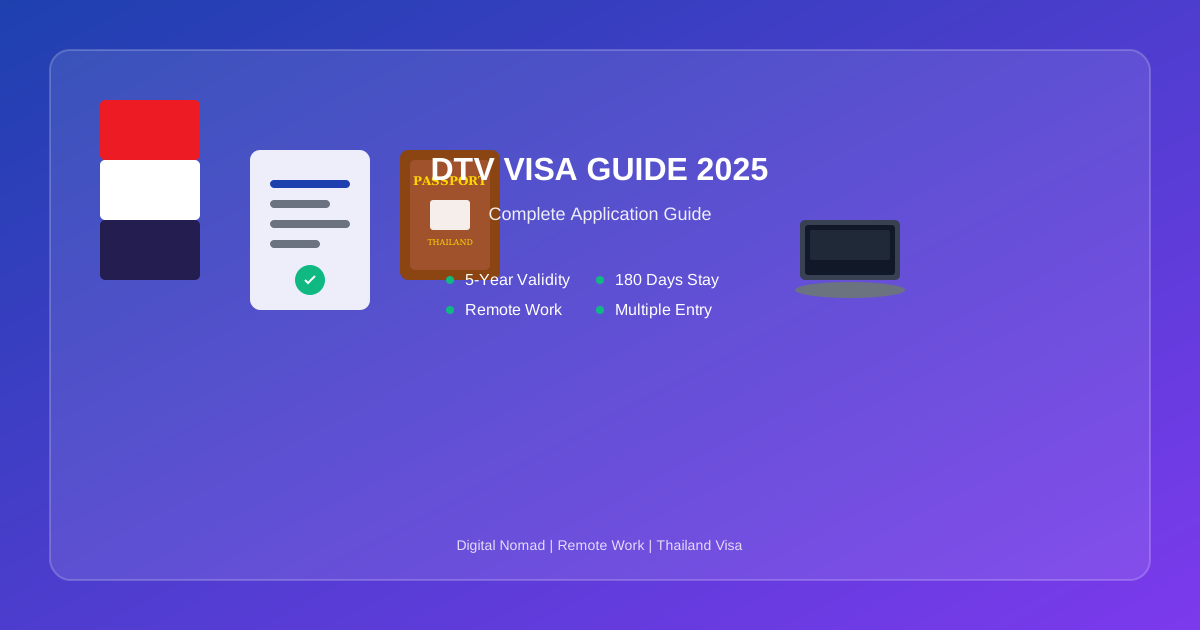
Complete Guide to Thailand DTV Visa 2025: Everything You Need to Know
Comprehensive guide to Thailand's DTV visa including eligibility requirements, application process, financial proof, and insider tips for a successful application in 2025.