Best Travel Insurance for Thailand 2025: Complete Guide to Protecting Your Trip
Wondering if you need travel insurance for Thailand? This comprehensive guide covers the best travel insurance options, what to look for in a policy, and how to choose the right coverage for your Thai adventure in 2025.
The question of whether you need travel insurance for Thailand comes up constantly among travelers planning their Thai adventure. While Thailand is generally a safe and welcoming destination, the unpredictable nature of travel means that having proper protection provides peace of mind and financial security when things do not go according to plan.
This comprehensive guide examines everything you need to know about travel insurance for Thailand, from understanding what coverage you actually need to comparing the best travel insurance options available in 2025. Whether you are planning a two week beach holiday or an extended stay exploring the country, this information helps you make an informed decision about protecting your trip.
Do You Need Travel Insurance for Thailand?
The straightforward answer is yes, you should have travel insurance when visiting Thailand. While not legally required for most tourist entries, travel insurance provides essential protection against circumstances that could otherwise result in significant financial loss or serious inconvenience.
Thailand offers excellent medical care, particularly in private hospitals in major cities. However, this quality comes at a cost that can quickly escalate for serious conditions. A hospital stay, emergency surgery, or medical evacuation could cost tens of thousands of dollars without insurance. Even relatively minor issues like a broken bone or severe illness requiring hospitalization can generate bills of several thousand dollars.
Beyond medical coverage, travel insurance protects against trip cancellations, lost luggage, theft, and other disruptions that could derail your vacation plans. The cost of comprehensive coverage typically runs between 50 and 150 dollars for a two week trip, a small price compared to the potential losses you might face without protection.
For those planning extended stays in Thailand, whether on tourist visas or longer term options like the DTV visa for digital nomads, appropriate insurance becomes even more critical. The longer you stay, the greater your exposure to potential issues that insurance covers.
What Does Travel Insurance for Thailand Cover?
Understanding what travel insurance actually covers helps you evaluate options and choose appropriate protection. While policies vary, most comprehensive travel insurance includes several key coverage areas relevant to Thailand visits.
Medical expenses coverage pays for treatment resulting from illness or injury during your trip. This includes doctor visits, hospital stays, surgeries, medications, and related costs. Quality policies cover treatment at private hospitals, which offer the best care in Thailand. Look for coverage limits of at least 100,000 dollars, with higher limits providing better protection for serious conditions.
Emergency medical evacuation covers transportation to appropriate medical facilities or back to your home country if local treatment is inadequate. Medical evacuations can cost 50,000 dollars or more, making this coverage essential for serious situations. Ensure your policy includes evacuation to your home country, not just to the nearest adequate facility.
Trip cancellation and interruption coverage reimburses prepaid, non-refundable trip costs if you must cancel or cut short your trip due to covered reasons. These typically include illness, injury, death of a family member, natural disasters, and similar circumstances. Review covered reasons carefully, as policies vary in what they consider valid cancellation triggers.
Baggage and personal effects coverage provides reimbursement if your luggage is lost, stolen, or damaged. Policies typically set per item limits and overall limits, so travelers with expensive electronics or jewelry should verify adequate protection. Baggage delay coverage provides funds for essential purchases if your luggage arrives late.
Travel delay coverage reimburses additional expenses incurred due to covered delays, such as meals and accommodation when flights are significantly delayed or cancelled. This coverage proves valuable during monsoon season when weather delays occur more frequently.
Evaluating the Best Travel Insurance for Thailand
Finding the best travel insurance for Thailand requires comparing options based on coverage, cost, and suitability for your specific trip. Several factors deserve particular attention when evaluating policies for Thailand travel.
Medical coverage limits matter significantly for Thailand. The country has excellent private hospitals, but treatment costs can escalate quickly for serious conditions. Policies with higher medical limits provide better protection. Look for at least 100,000 dollars in medical coverage, with 250,000 dollars or more being preferable for comprehensive protection.
Adventure activities coverage becomes relevant if you plan activities beyond basic sightseeing. Standard policies often exclude injuries from motorcycling, scuba diving, rock climbing, and similar activities. If your Thailand plans include island hopping by motorbike, diving in the Andaman Sea, or trekking in the northern mountains, verify that your policy covers these activities or purchase appropriate add on coverage.
Pre-existing condition coverage deserves attention for travelers with ongoing health issues. Many policies exclude pre-existing conditions entirely, while others offer coverage with certain restrictions. If you have health conditions that might require treatment, look for policies with pre-existing condition waivers or coverage.
The claims process and customer service quality affect your experience if you need to use your insurance. Research reviews from actual claimants, not just price comparison websites. A cheap policy with difficult claims processes provides poor value when you actually need help.
Provider reputation and financial stability ensure the company can pay claims and provide assistance when needed. Established insurers with strong reputations offer more reliable protection than unknown companies with rock bottom prices.
Best Holiday Insurance for Thailand: Top Recommendations
While specific product recommendations change as companies update their offerings, several insurers consistently provide strong coverage for Thailand travel. Understanding what makes these options stand out helps you evaluate current offerings.
Comprehensive international travel insurance from major providers like Allianz, World Nomads, and IMG Global typically offers robust coverage suitable for Thailand. These established companies provide 24/7 assistance services, straightforward claims processes, and coverage levels appropriate for Thailand's healthcare costs.
For budget conscious travelers, basic policies from reputable providers offer essential coverage at lower costs. These policies may have lower limits and fewer features but still provide important protection against major expenses. Ensuring adequate medical and evacuation coverage should be prioritized over other features when budget constrains choices.
Long term travel insurance suits those planning extended Thailand stays. Policies designed for trips exceeding 30 or 60 days typically offer different structures than short trip coverage. World Nomads and SafetyWing are popular choices among long term travelers and digital nomads for their flexibility and reasonable pricing for extended coverage.
Annual multi trip policies make sense for frequent travelers who visit Thailand multiple times per year. These policies cover unlimited trips during a year period, often providing better value than purchasing separate coverage for each trip. Verify that individual trip duration limits accommodate your Thailand visits.
Medical Care Realities in Thailand
Understanding Thailand's healthcare landscape helps contextualize why appropriate insurance matters. The country offers a two tier medical system with significant differences between public and private facilities.
Private hospitals in Bangkok, Chiang Mai, Phuket, and other major destinations provide excellent care meeting international standards. Facilities like Bumrungrad International Hospital in Bangkok attract medical tourists from around the world for their quality and service. These hospitals employ English speaking staff, offer modern equipment, and provide comfortable facilities. However, treatment costs reflect this quality and can approach or exceed Western prices for serious conditions.
Public hospitals serve the Thai population and offer competent care at much lower costs. However, language barriers, longer wait times, crowded conditions, and less comfortable facilities make them challenging for foreign visitors. In emergencies, ambulances typically transport patients to the nearest public hospital regardless of insurance status.
Clinics and smaller hospitals throughout Thailand handle routine health issues effectively and affordably. Minor illnesses, simple injuries, and basic medical needs can often be addressed at local facilities for modest cash payments. Having insurance provides options and ensures access to the best available care for serious situations.
Pharmacies in Thailand stock medications that would require prescriptions in Western countries, often at significantly lower prices. For travelers managing ongoing conditions, this accessibility offers convenience, though consulting with pharmacists about appropriate medications remains advisable.
Making Claims and Getting Assistance
Understanding how to use your travel insurance if needed helps you respond effectively to situations that arise. Familiarize yourself with claims procedures before your trip rather than scrambling during an emergency.
Contact your insurance provider's assistance line before seeking treatment for non-emergency medical situations. Many policies require pre-authorization for treatments exceeding certain thresholds, and calling ahead ensures coverage and may facilitate direct billing arrangements with hospitals.
For emergencies, seek appropriate medical care immediately without worrying about insurance authorization. Life threatening situations take priority, and insurance companies expect you to focus on health first. Contact the assistance line as soon as practically possible after stabilizing the situation.
Document everything related to potential claims. Keep receipts for medical treatment, photos of damaged or stolen items, police reports for theft, and any other evidence supporting your claim. Thorough documentation streamlines the claims process and increases the likelihood of full reimbursement.
Understand policy exclusions that might affect your coverage. Common exclusions include injuries while intoxicated, incidents during illegal activities, and problems arising from disregarded travel advisories. Knowing what is not covered helps you make informed decisions during your trip.
Retain copies of your policy documents accessible during your trip. Store digital copies in cloud storage and email yourself policy details so you can access information even if your phone or documents are lost. Having your policy number and assistance line readily available proves invaluable during stressful situations.
Special Considerations for Thailand
Several Thailand specific factors influence travel insurance decisions and deserve particular attention when selecting coverage.
Motorcycle accidents represent the most common serious injury among foreign visitors to Thailand. If you plan to rent and ride a motorbike, verify that your insurance covers this activity. Many standard policies exclude motorcycle injuries, especially for riders without appropriate licenses. Wearing a helmet and riding carefully remains essential regardless of insurance status.
Monsoon season travel from June through October increases weather related disruption risks. Flight cancellations and delays occur more frequently during this period, making trip delay and cancellation coverage more valuable. The rainy season also increases road accident risks due to wet conditions.
Island destinations may have limited medical facilities, potentially requiring evacuation to the mainland or Bangkok for serious conditions. Medical evacuation coverage becomes especially important when visiting remote islands where helicopter or boat transport might be necessary for emergency care.
Scuba diving and snorkeling activities attract many Thailand visitors to the country's beautiful underwater environments. Diving related injuries require specialized treatment and may need evacuation to facilities with hyperbaric chambers. Divers should verify their policy covers diving to appropriate depths and consider supplemental dive insurance for comprehensive protection.
For longer stays, understanding how insurance interacts with visa requirements helps ensure compliance. Some visa categories, including the DTV visa, have specific insurance requirements. Our comprehensive DTV insurance guide details requirements for this popular long stay option.
Cost Factors and Getting Good Value
Travel insurance costs vary based on several factors, and understanding these helps you balance protection against budget. Making informed choices about coverage levels and policy features optimizes value for your specific needs.
Trip length significantly affects premium costs, with longer trips costing more to insure. Some policies offer per day pricing that benefits shorter trips, while others use trip length brackets that may provide better value for trips falling at the low end of a bracket.
Coverage limits directly impact premiums. Higher medical coverage limits, higher trip cancellation limits, and more generous baggage coverage all increase costs. Assess your actual exposure for each category and avoid paying for coverage levels you do not need while ensuring adequate protection in areas that matter.
Deductibles reduce premium costs in exchange for out of pocket payments when making claims. Higher deductibles lower your premium but increase what you pay if something happens. Consider your financial ability to absorb deductible amounts when making this tradeoff.
Age affects premiums significantly, with older travelers paying more due to higher medical risk. Travelers over 65 or 70 may find limited options or significantly higher premiums. Shopping among multiple providers often reveals better options for senior travelers.
Adventure activity coverage adds cost but provides essential protection if you plan to participate in covered activities. Adding this coverage costs less than facing uncovered medical expenses from activity related injuries.
Travel Insurance vs Travel Medical Insurance
Understanding the distinction between comprehensive travel insurance and travel medical insurance helps you choose appropriate coverage. These different products serve different needs and provide different types of protection.
Comprehensive travel insurance covers medical expenses plus trip related issues like cancellation, interruption, baggage problems, and delays. This all in one protection suits most leisure travelers who want complete coverage in a single policy. The best holiday insurance for Thailand typically falls into this category.
Travel medical insurance focuses specifically on health related coverage without trip protection components. These policies may offer higher medical limits at lower costs than comprehensive policies by excluding non-medical coverage. Long term travelers and those with separate trip protection may prefer this focused approach.
Evacuation and repatriation coverage sometimes appears as standalone products, particularly for adventure travelers and expatriates. These policies provide emergency transportation but not treatment coverage. Most Thailand visitors benefit from combined coverage rather than piecing together separate policies.
When Standard Insurance Is Not Enough
Certain situations call for coverage beyond standard travel insurance policies. Recognizing when you need specialized or supplemental coverage prevents gaps in protection.
High value items including expensive camera equipment, jewelry, and electronics may exceed per item limits in standard policies. Travelers carrying valuable items should verify limits and consider specialized coverage or riders to protect expensive belongings adequately.
Extreme adventures and professional level activities often fall outside standard policy coverage. If your Thailand trip includes activities beyond typical tourist experiences, research specialized adventure travel insurance or activity specific coverage.
Pre-existing medical conditions may require specialized policies or additional medical underwriting. Travelers with significant health histories should disclose conditions accurately and verify coverage before relying on a policy that might not pay claims related to those conditions.
Extended stays exceeding typical trip length limits require long term travel insurance or expatriate health insurance. Standard trip policies may not accommodate stays of several months or longer, leaving extended visitors without adequate protection.
Conclusion
Deciding whether you need travel insurance for Thailand is straightforward: yes, you should have coverage that protects against medical expenses, trip disruptions, and other potential losses. The best travel insurance for Thailand provides adequate medical coverage, includes evacuation protection, and addresses the specific activities and circumstances of your trip.
Take time to compare options, understand what each policy covers and excludes, and select coverage appropriate for your needs rather than simply choosing the cheapest option. The best holiday insurance for Thailand balances comprehensive protection against reasonable cost, providing peace of mind that allows you to fully enjoy your Thai adventure.
Your investment in quality travel insurance pays dividends in security and confidence. With proper protection in place, you can explore Thailand's temples, beaches, and cities knowing that unexpected situations will not derail your trip or your finances.
Insurance products and coverage terms change regularly. Always read policy documents carefully and verify current terms before purchase.
Questions About YourThailand Visa?
Our team can help answer your questions about DTV visas, tourist visas, extensions, and all aspects of staying in Thailand legally. Get personalized guidance for your unique situation.
Disclaimer: We provide general information and guidance only. We are not licensed immigration attorneys or legal advisors. Our services do not constitute legal advice. For complex legal matters, we recommend consulting with a qualified immigration lawyer. Visa approval is solely at the discretion of Thai authorities. See our Terms of Service.
Have a Quick Question?
Whether you're wondering about visa requirements, document preparation, or the application process, feel free to reach out. Email us at support@dtvvisathai.com and we'll do our best to point you in the right direction.
Travel Insurance Tip
Thai hospitals are excellent but expensive for foreigners without insurance. Many travelers use SafetyWing (from ~$42/month) as it can be purchased while already abroad.Affiliate link - we may earn a commission at no extra cost to you.
Continue Reading
Explore more helpful articles about Thailand DTV visa
Health Insurance in Asia 2025: Complete Guide to Medical Coverage Across the Continent
Everything you need to know about health insurance in Asia for expats, digital nomads, and long term travelers. Compare Asia medical insurance options, understand regional healthcare systems, and find the right coverage for your Asian adventure.
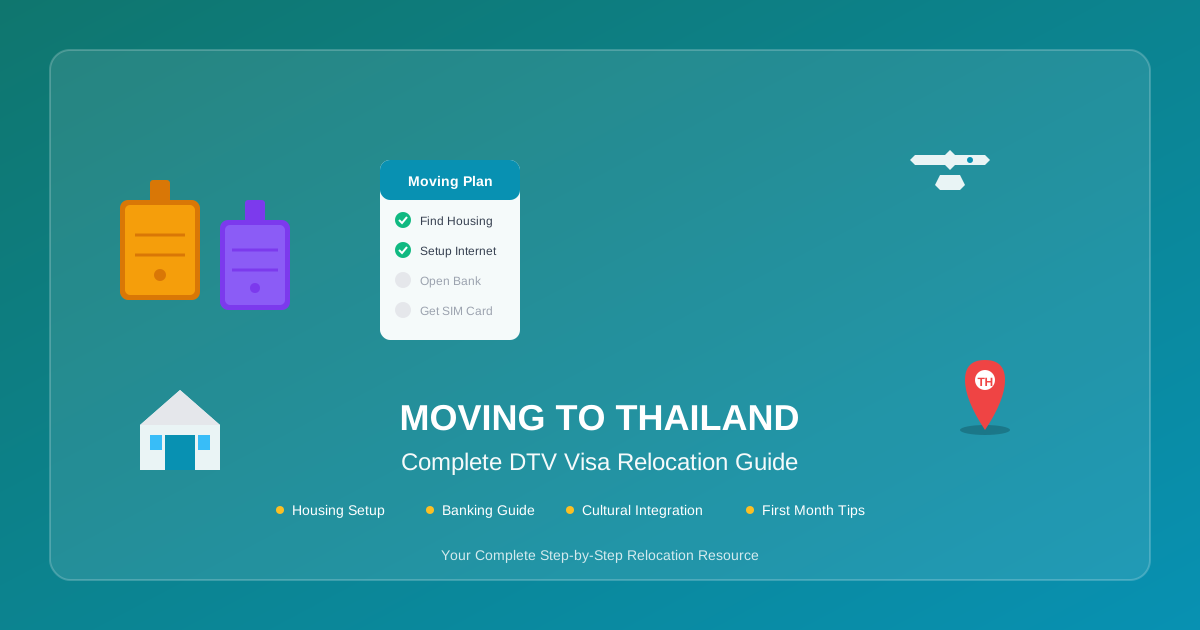
Moving to Thailand on a DTV Visa: Your Complete Relocation Guide for 2025
Planning your move to Thailand with a DTV visa? This comprehensive relocation guide covers everything from packing essentials to setting up utilities, finding housing, and integrating into Thai culture as a digital nomad.

Best Group To Network With Digital Nomads in Thailand: Your Complete Guide to Building Professional Connections
Discover the ultimate Thailand networking group for digital nomads. Learn how to build meaningful professional connections, find collaboration opportunities, and thrive in Thailand's vibrant remote work community.