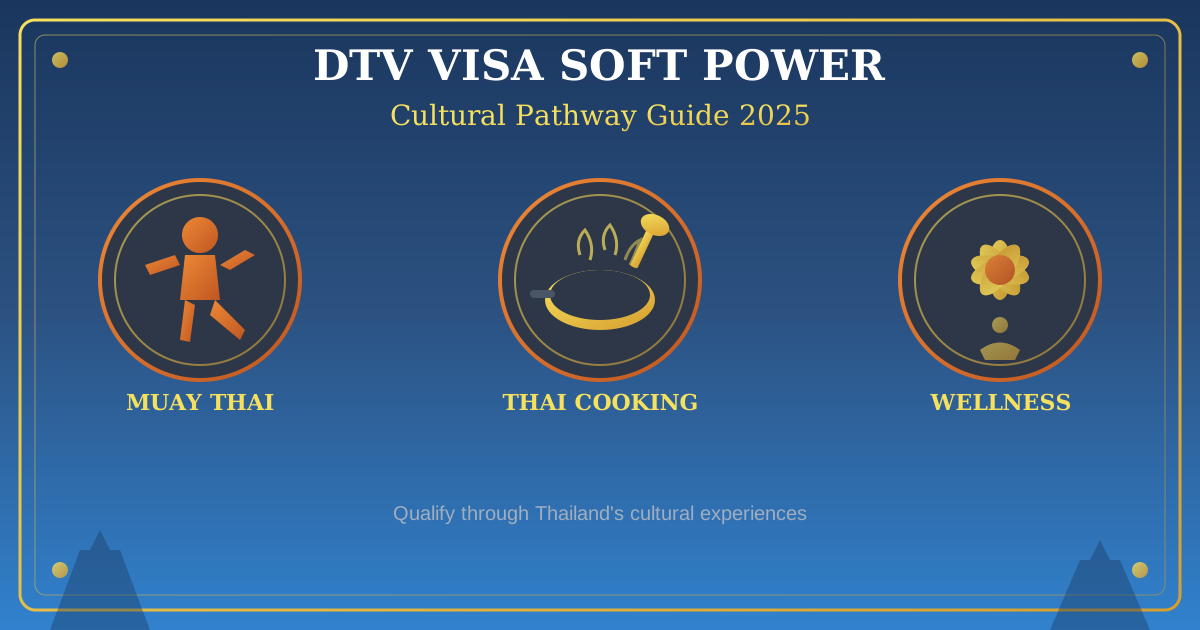
DTV Visa Soft Power Categories: Complete Guide to Muay Thai, Thai Cooking, and Wellness Programs 2025
Master the DTV visa soft power pathway with our complete guide to Muay Thai training, Thai cooking schools, and wellness programs. Learn which programs qualify, documentation requirements, and insider tips for successful applications.
Thailand's Destination Thailand Visa has opened remarkable opportunities for cultural enthusiasts seeking long term immersion in the Kingdom's rich traditions. While remote workers and digital nomads often dominate DTV discussions, the soft power pathway offers an equally compelling route for those passionate about Thai martial arts, culinary traditions, or wellness practices. Understanding exactly which programs qualify and how to document your participation can mean the difference between visa approval and rejection.
The Thai government introduced soft power categories specifically to attract visitors genuinely interested in experiencing and learning Thai cultural arts. These categories support Thailand's broader initiative to promote its cultural heritage globally while creating economic opportunities for training camps, cooking schools, and wellness centers throughout the country. For DTV visa applicants seeking alternatives to the remote work pathway, soft power offers a legitimate and fulfilling option that combines visa security with meaningful cultural experiences.
Understanding Soft Power in the DTV Visa Context
The term soft power in Thailand's visa framework refers to cultural activities and traditions that represent Thailand's national identity and heritage. The Thai government has identified specific categories of soft power that qualify for DTV visa applications, recognizing their importance in promoting Thai culture internationally and attracting quality visitors who contribute positively to local communities.
Unlike the remote work category, which requires proof of employment or freelance income, soft power applications center on demonstrating genuine commitment to learning Thai cultural practices. Immigration authorities evaluate whether your program constitutes serious study rather than casual tourism activity. This distinction matters significantly when preparing your application materials.
Critical 2025 Update: Language Schools No Longer Qualify
One of the most significant changes affecting soft power applications in 2025 is the exclusion of language schools from qualifying activities. Previously, some applicants successfully used enrollment in Thai language courses to support their DTV applications. Thai immigration authorities closed this pathway after determining that language study alone does not sufficiently represent the cultural immersion soft power categories intend to promote.
This change caught many prospective applicants off guard, particularly those who had already enrolled in language programs expecting visa qualification. If you're considering the soft power pathway, focus exclusively on the three primary categories that remain valid: Muay Thai training, Thai culinary arts, and wellness or medical treatment programs. Each requires programs lasting at least six months for the strongest chance of approval.
Muay Thai Training: The Warrior's Path to DTV Approval
Muay Thai represents Thailand's most celebrated martial art, with deep cultural significance extending far beyond combat sports. Training camps across Thailand welcome international students seeking to learn this ancient discipline, and legitimate long term training programs qualify for DTV visa applications under the soft power category.
What Immigration Authorities Look For
When reviewing Muay Thai based DTV applications, Thai embassy officials assess several factors that distinguish serious martial arts students from tourists seeking convenient visa justification. Your application should demonstrate commitment through program duration, camp reputation, and training intensity.
Program duration matters critically. Immigration authorities favor programs spanning at least six months, viewing shorter enrollments with skepticism. A twelve month training contract strengthens your application substantially, signaling genuine intent to develop Muay Thai skills rather than simply maintaining a visa. Some camps offer structured certification programs that align perfectly with DTV requirements.
Camp reputation influences application outcomes significantly. Established camps with histories of training international students, competition fighters, or certified instructors carry more weight than newly opened facilities without track records. Research camps thoroughly before enrollment, looking for established online presence, testimonials from long term students, and recognition from Thai boxing authorities.
Training schedules should reflect serious commitment. Most legitimate Muay Thai camps offering DTV qualifying programs require daily training sessions, typically twice per day for students seeking intensive instruction. Your enrollment documentation should specify training frequency, session duration, and overall program structure. Casual once weekly sessions will not satisfy immigration requirements.
Required Documentation for Muay Thai Applications
Preparing comprehensive documentation increases your approval probability substantially. Beyond standard DTV requirements, Muay Thai applicants should gather specific materials demonstrating program legitimacy and personal commitment.
Your training camp should provide an official enrollment letter on company letterhead. This letter must specify program start and end dates, training schedule details, total program cost, and confirmation of your accepted enrollment. Request that camps include their business registration number and contact information for verification purposes.
Proof of payment or payment agreement demonstrates financial commitment to the program. Full upfront payment provides the strongest evidence, though payment plans with significant deposits can suffice. Immigration officials want assurance that you've committed resources to the program rather than simply obtaining an enrollment letter.
Camp business registration documents verify the training facility operates legally in Thailand. Legitimate camps readily provide these documents to prospective students requiring visa documentation. Reluctance to provide business registration should raise concerns about whether the camp can support your visa application effectively.
A personal statement explaining your interest in Muay Thai and goals for training adds valuable context to your application. Describe any previous martial arts experience, explain why you chose Muay Thai specifically, and outline what you hope to achieve during your training period. This statement helps immigration officials understand your genuine motivation.
Top Regions for Muay Thai Training
Different regions of Thailand offer distinct Muay Thai training experiences, each with advantages for DTV visa holders seeking extended stays.
Bangkok hosts numerous world renowned camps attracting international students year round. The capital's camps often emphasize professional fight preparation, though most welcome students at all levels. Living costs in Bangkok run higher than other regions, but access to facilities, international communities, and entertainment compensate for the premium. Camps in areas like Khao San Road, Sukhumvit, and Thonburi cater specifically to international trainees.
Phuket has emerged as a major destination for Muay Thai tourism, with camps ranging from budget friendly to luxury retreats. The island setting appeals to students who want to combine serious training with beach lifestyle. Tiger Muay Thai, Sitsongpeenong, and numerous other camps offer programs meeting DTV requirements. The higher costs reflect the island location, but training quality matches or exceeds Bangkok options.
Chiang Mai provides a more affordable alternative with excellent training opportunities. The cooler northern climate makes intensive training more comfortable than tropical beach destinations. Several established camps in and around the city welcome long term international students, and the lower cost of living stretches training budgets further.
Thai Cooking Schools: Culinary Path to Cultural Immersion
Thailand's culinary heritage represents one of the country's most recognized cultural exports, making professional cooking education a natural fit for soft power visa qualification. Long term culinary programs teach not only recipes and techniques but also the cultural context behind Thai cuisine, ingredient sourcing, and regional variations that make Thai food globally celebrated.
Qualifying Program Requirements
Not all cooking classes qualify for DTV visa applications. Immigration authorities distinguish between tourist oriented day classes and serious culinary education programs. Understanding this distinction helps you select appropriate programs and prepare compelling applications.
Program duration requirements for cooking schools mirror those for Muay Thai. Programs spanning at least six months demonstrate serious educational intent rather than casual tourist interest. Some schools offer comprehensive programs lasting twelve months or longer, covering multiple aspects of Thai cuisine from street food fundamentals to royal court dishes.
Curriculum depth matters as much as duration. Qualifying programs should offer structured curricula with progressive skill development rather than repetitive basic classes. Look for programs that cover theory alongside practical cooking, including Thai food history, ingredient knowledge, regional cuisine variations, and professional kitchen operations.
Certification or diploma programs carry extra weight with immigration reviewers. Schools offering recognized culinary credentials demonstrate educational legitimacy that casual cooking classes cannot match. These certifications often require examinations, minimum attendance requirements, and demonstrated skill progression.
Daily or near daily class schedules signal program seriousness. Programs meeting only weekly typically fail to satisfy immigration expectations for soft power qualification. Most approved culinary programs involve several hours of instruction daily, combining classroom learning with hands on cooking practice.
Documentation for Cooking School Applications
Culinary program applications require documentation similar to Muay Thai applications, with specific elements reflecting the educational nature of cooking schools.
Official enrollment letters from cooking schools should detail program specifics including duration, schedule, curriculum overview, and certification or diploma awarded upon completion. Letters should appear on official school letterhead with contact information and business registration details.
Program payment receipts or contracts demonstrate financial commitment. Schools offering legitimate long term programs typically require substantial enrollment deposits or full program payment before providing documentation for visa applications.
School credentials and accreditations strengthen applications considerably. Schools recognized by Thai culinary associations, international hospitality education organizations, or government agencies provide documentation that immigration officials view favorably.
Curriculum documentation helps explain program substance to immigration reviewers. Detailed course outlines, skill progression frameworks, and certification requirements demonstrate educational depth beyond simple cooking lessons.
Notable Long Term Culinary Programs
Several established cooking schools in Thailand offer programs specifically designed to meet DTV visa requirements while providing comprehensive culinary education.
Bangkok naturally hosts the most concentrated options for serious culinary education. The city's cooking schools range from traditional family run operations teaching authentic techniques to modern culinary academies incorporating contemporary methods. Schools in Bangkok often provide the most extensive programs, with some offering year long comprehensive curricula.
Chiang Mai's cooking scene reflects Northern Thai culinary traditions distinct from central Thai cuisine. Long term programs in Chiang Mai offer opportunities to master regional specialties while enjoying lower living costs than Bangkok. Several established schools cater to international students seeking extended culinary education.
Resort areas like Phuket and Koh Samui host cooking schools combining culinary education with vacation destination appeal. These programs often emphasize professional skills for those interested in restaurant or hospitality careers, though programs vary significantly in structure and DTV qualification suitability.
Wellness and Medical Treatment Programs
Thailand's reputation as a wellness and medical tourism destination creates natural opportunities for DTV qualification through long term treatment or wellness programs. This category covers both traditional Thai wellness practices and modern medical treatments requiring extended stays.
What Qualifies as Wellness for DTV Purposes
The wellness category encompasses several distinct types of programs, each with specific documentation requirements and qualification criteria.
Traditional Thai medicine programs teach ancient healing practices including Thai massage, herbal medicine, and meditation techniques. Professional certification programs in Thai massage often span several months and qualify for DTV applications when properly documented. The Thai government actively promotes traditional medicine education, making these programs particularly well suited for soft power qualification.
Wellness retreats offering structured long term programs may qualify when they demonstrate educational or therapeutic substance. Immigration authorities distinguish between casual spa vacations and structured wellness programs with defined curricula, schedules, and objectives. Programs combining yoga teacher training, meditation instruction, or other defined skill development strengthen applications considerably.
Medical treatment programs requiring extended stays in Thailand qualify under this category. Patients undergoing complex medical procedures, rehabilitation programs, or treatments spanning multiple months can use medical documentation to support DTV applications. This pathway requires coordination with medical providers to ensure proper documentation.
Long term rehabilitation or recovery programs address various conditions requiring extended residential treatment. These programs document medical necessity for extended Thai stays, providing compelling justification for DTV applications when combined with proper program documentation.
Documentation Requirements for Wellness Applications
Wellness category applications require different documentation depending on the specific program type, though all share common elements that immigration officials expect.
Program enrollment or treatment plans must specify duration, schedule, and program objectives. Medical treatments require physician documentation outlining treatment necessity, expected duration, and facility credentials. Wellness education programs need enrollment letters similar to those for cooking or martial arts.
Facility credentials demonstrate program legitimacy. Licensed medical facilities, accredited massage schools, or established wellness centers provide documentation that supports visa applications. New or unregistered facilities may struggle to provide documentation meeting immigration standards.
Payment documentation proves commitment to the program. Substantial deposits or full program payments demonstrate serious intent rather than casual interest in wellness activities.
For medical treatments, physician letters explaining treatment necessity and expected duration carry significant weight. These letters should come from licensed Thai medical providers at recognized facilities.
Financial Requirements Remain Constant
Regardless of which soft power category you pursue, the standard DTV financial requirements still apply. You must demonstrate at least 500,000 THB in savings maintained for at least three consecutive months before application. This requirement exists independently of soft power program enrollment.
Some applicants mistakenly believe that soft power enrollment substitutes for financial requirements. It does not. Your application must satisfy both the program enrollment documentation and the financial proof requirements. Prepare bank statements, savings evidence, and financial documentation alongside your program materials.
Program costs count toward demonstrating financial capability but do not replace the savings requirement. Immigration officials want assurance that you can support yourself in Thailand beyond your program fees, covering accommodation, food, transportation, and other living expenses throughout your stay.
Application Strategy for Maximum Success
Successful soft power applications combine proper program selection, comprehensive documentation, and strategic presentation. Following proven strategies increases approval probability significantly.
Select programs well in advance of your intended travel dates. Rushing to enroll in programs shortly before applying raises suspicion about genuine intent. Enrollment completed months before application demonstrates planning and commitment that immigration officials value.
Choose established programs with track records of supporting visa applications. New programs or facilities without visa documentation experience may provide inadequate materials that undermine otherwise strong applications. Ask prospective programs directly about their experience with DTV visa documentation.
Prepare documentation that tells a coherent story about your genuine interest in Thai culture. Personal statements, program materials, and financial documentation should align to present a consistent picture of someone committed to meaningful cultural engagement rather than visa convenience.
Research embassy specific requirements for your application location. Different Thai embassies sometimes emphasize different aspects of applications or request additional materials. Understanding these variations helps you prepare complete applications that satisfy local requirements.
Common Mistakes to Avoid
Several common errors undermine soft power applications, often surprising applicants who believed their applications were strong.
Choosing programs that are too short ranks among the most frequent mistakes. Programs under six months rarely satisfy immigration expectations for soft power qualification. Even programs exactly six months long may face skepticism compared to longer commitments.
Inadequate program documentation leaves applications vulnerable to rejection. Enrollment letters lacking essential details, missing business registration information, or insufficient program description create problems that proper preparation prevents.
Ignoring financial requirements while focusing exclusively on program documentation leads to preventable rejections. Both elements must be present and properly documented for successful applications.
Selecting programs from unestablished providers creates documentation challenges. New facilities without proper registration, unfamiliar schools without track records, or informal arrangements lacking proper contracts fail to provide documentation meeting immigration standards.
Waiting until the last minute to prepare documentation results in rushed, incomplete applications. Give yourself months rather than weeks to gather materials, allowing time to request additional documentation if initial materials prove insufficient.
The Soft Power Advantage
For applicants genuinely interested in Thai cultural traditions, the soft power pathway offers advantages beyond visa qualification. Training at legitimate Muay Thai camps, studying at recognized cooking schools, or participating in authentic wellness programs provides experiences impossible to replicate elsewhere.
The skills and knowledge gained through serious soft power programs create lasting value extending far beyond your Thai stay. Muay Thai training develops physical conditioning and martial arts capabilities. Culinary education provides skills applicable worldwide. Wellness certifications enable professional practice or personal development.
Community connections formed through intensive programs often become the foundation for long term relationships with Thailand. Training alongside international peers at martial arts camps, cooking with fellow food enthusiasts, or practicing wellness techniques with like minded individuals creates bonds that enrich your Thai experience.
The soft power pathway also demonstrates respect for Thai culture that immigration officials recognize and appreciate. Applicants pursuing genuine cultural engagement contribute positively to Thailand's soft power objectives, creating mutual benefit for both visitors and the Kingdom.
Making Your Decision
Choosing between soft power categories depends on your genuine interests, physical capabilities, and long term goals. Consider honestly which discipline attracts you beyond visa considerations. Spending six months or longer in intensive training requires genuine motivation that extends beyond immigration paperwork.
Evaluate your physical condition realistically if considering Muay Thai. Intensive martial arts training demands significant physical effort that not everyone can sustain. Injuries, exhaustion, and burnout affect unprepared students who underestimate training demands.
Assess your budget comprehensively before committing to programs. Training camps, cooking schools, and wellness retreats vary enormously in cost. Add accommodation, food, transportation, and personal expenses to program fees for realistic budget projections.
Research specific programs thoroughly before enrollment. Quality varies significantly within each category. Recommendations from previous students, online reviews, and direct communication with programs help identify options matching your goals and expectations.
The soft power pathway offers a legitimate and enriching route to DTV visa qualification for applicants with genuine cultural interests. Proper program selection, comprehensive documentation, and realistic preparation create foundations for both successful visa applications and meaningful Thai experiences. Whether you're drawn to the ancient art of Muay Thai, the celebrated traditions of Thai cuisine, or the holistic practices of Thai wellness, the soft power categories welcome visitors committed to genuine cultural engagement.
Program requirements and embassy procedures can change. Always verify current requirements with Thai embassies and prospective programs before finalizing plans. This guide reflects conditions as of December 2025.
Questions About YourThailand Visa?
Our team can help answer your questions about DTV visas, tourist visas, extensions, and all aspects of staying in Thailand legally. Get personalized guidance for your unique situation.
Disclaimer: We provide general information and guidance only. We are not licensed immigration attorneys or legal advisors. Our services do not constitute legal advice. For complex legal matters, we recommend consulting with a qualified immigration lawyer. Visa approval is solely at the discretion of Thai authorities. See our Terms of Service.
Have a Quick Question?
Whether you're wondering about visa requirements, document preparation, or the application process, feel free to reach out. Email us at support@dtvvisathai.com and we'll do our best to point you in the right direction.
Travel Insurance Tip
Thai hospitals are excellent but expensive for foreigners without insurance. Many travelers use SafetyWing (from ~$42/month) as it can be purchased while already abroad.Affiliate link - we may earn a commission at no extra cost to you.
Continue Reading
Explore more helpful articles about Thailand DTV visa
DTV Visa Health Insurance Requirements: Complete Coverage Guide 2025
Everything you need to know about health insurance requirements for Thailand DTV visa. Coverage minimums, recommended providers, costs, and expert tips for choosing the right policy.
DTV Visa 90-Day Reporting: Complete Guide for Thailand 2025
Everything you need to know about 90-day reporting for DTV visa holders in Thailand. Step-by-step guide, online options, penalties, and expert tips to stay compliant.
Moving to Thailand on a DTV Visa: Your Complete Relocation Guide for 2025
Planning your move to Thailand with a DTV visa? This comprehensive relocation guide covers everything from packing essentials to setting up utilities, finding housing, and integrating into Thai culture as a digital nomad.